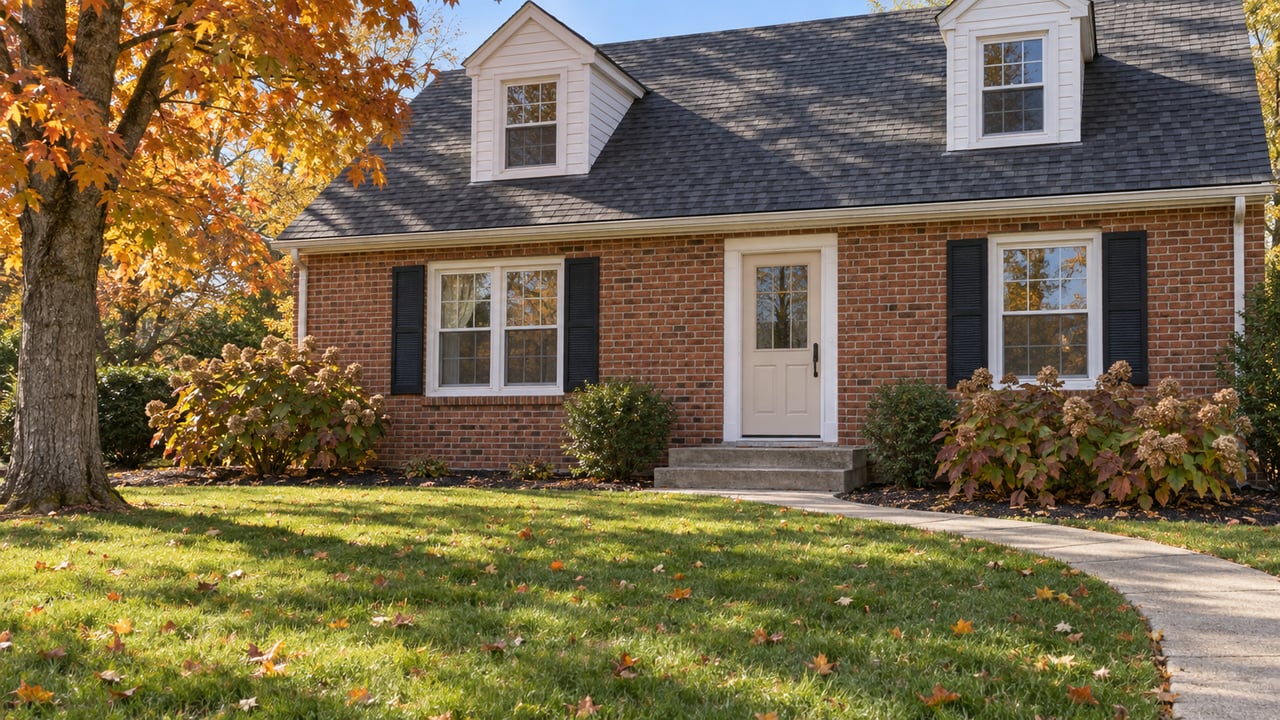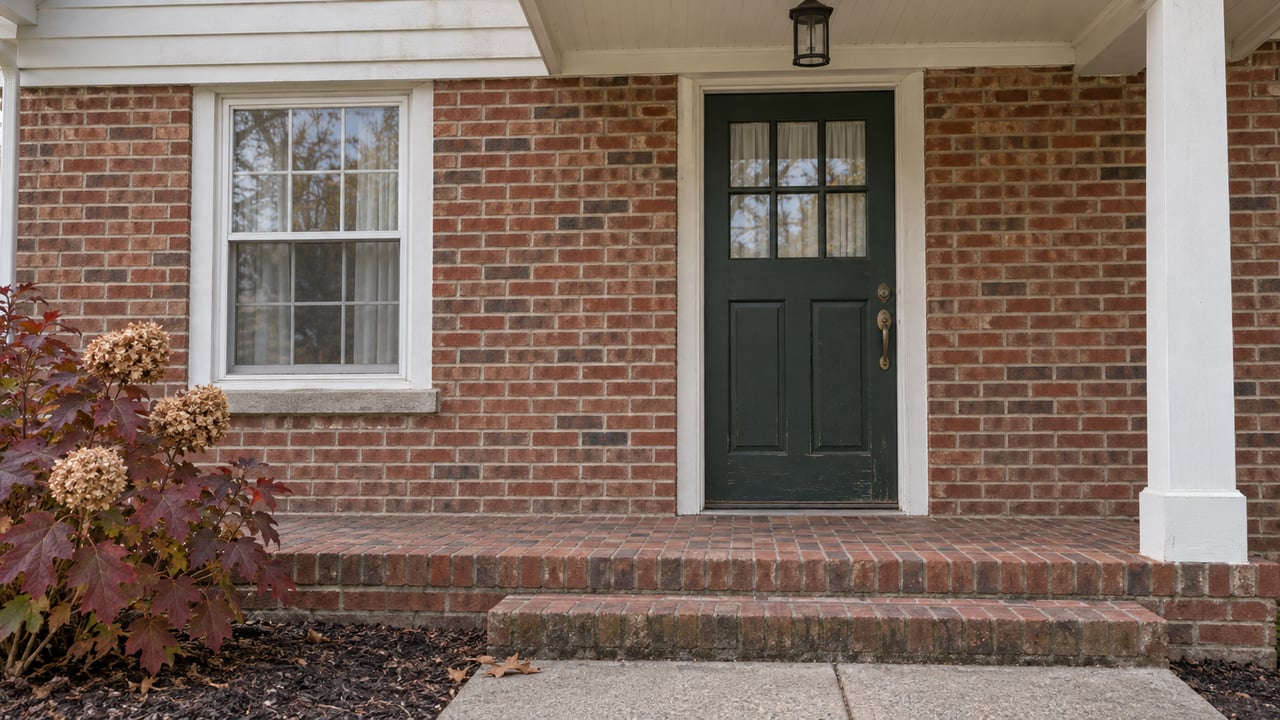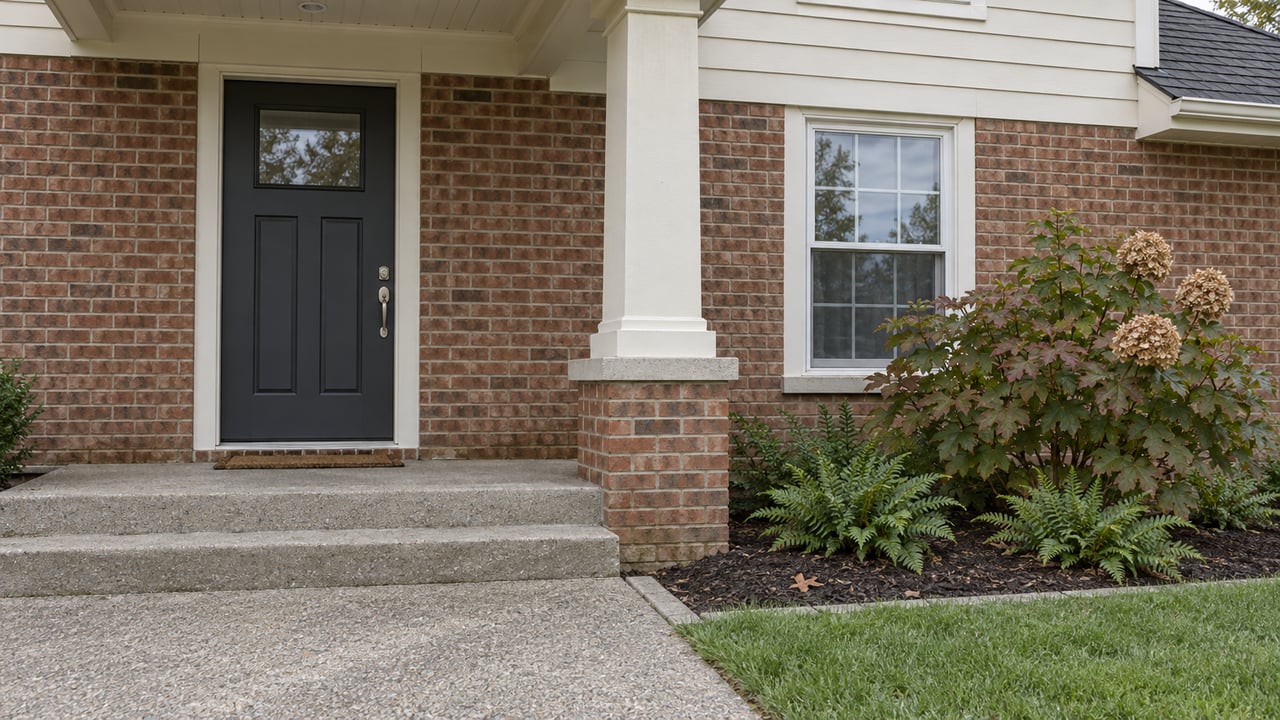
A buyer scrolling listings for Waterford Township this month will land on a median price somewhere around $280,000 to $293,000, a number that shows up consistently across market trackers as of September 2026. It is a real number. It is also close to useless for anyone actually shopping the water.
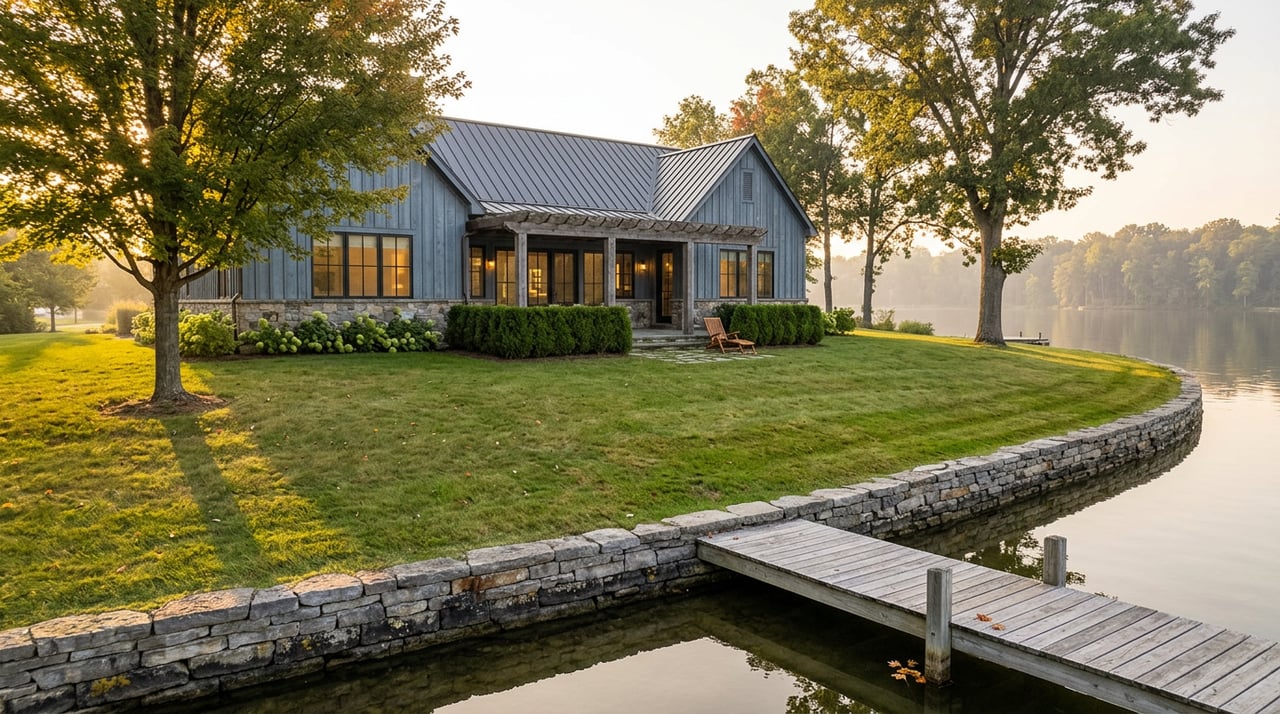
Waterford is a township of roughly three dozen named inland lakes wrapped around a much larger stock of ordinary subdivision homes on municipal sewer and water. The median blends both. A buyer comparing that figure to a listing on Cass Lake, Sylvan Lake, or the Maceday-Lotus chain is comparing two different housing markets that happen to share a zip code. Lakefront frontage on the township's premium basins routinely starts near the high $800s and climbs past $1 million for exceptional parcels. The gap between the township median and the lakefront reality is not a rounding error. It is the whole story.
But price is only half of what separates a Waterford lake purchase from an inland one. The other half is a layer of local compliance that never shows up on a listing sheet: septic and well evaluations, shoreline permit history, and rules about what you can build, or drive, on the water itself. None of that is priced into the median. All of it can stall or sink a closing if nobody flags it early.
The Question Wayne County Doesn't Ask
Michigan has no statewide septic code. Each county's health department writes its own rules, which means a requirement that applies in Waterford may not exist twenty minutes away. According to septicandwell.com, Oakland County requires a time-of-transfer evaluation through its Health Division for properties on septic systems. For a township built around lakes, that distinction matters more than it does almost anywhere else in southeast Michigan, because so many of Waterford's older lake homes and cottages were built on private well and septic rather than municipal service.
The evaluation itself is not dramatic. An inspector locates and pumps the tank, checks the drainfield for standing water or signs of failure, and confirms the system functions as designed. What catches people off guard is timing. Sellers who order the evaluation before listing, rather than after an offer arrives, tend to have a smoother path to closing. Buyers who assume "it's just a house sale" and skip asking the question until week three of escrow are the ones who watch their closing date slide.
The Seawall Nobody Mentioned Until the Inspection
Waterford's winters are hard on shoreline hardware. Steel seawalls installed decades ago on lakes like Cass and Sylvan have a documented pattern of failing through a process local marine contractors call short-sheeting, where frost works underneath pilings that weren't driven deep enough and pushes the wall upward over years, sometimes visibly enough to notice from a boat.
That failure mode matters at the negotiating table because seawall and dock work on an inland lake is not something an owner can quietly handle themselves. Under Michigan's Part 301 program, permanent docks, boat hoists left in year-round, and seawalls all require a permit from the state's Water Resources Division, while seasonal, removable docks generally do not. On top of the state permit, any shoreline project in Waterford also needs to clear the township's own zoning and building review through its Development Services office, which now runs permitting through an online BSA portal. A buyer who asks for the permit paper trail on an existing seawall, and gets nothing, isn't necessarily looking at a violation. They're looking at a property where nobody can say for certain whether the structure was ever reviewed at all, which is its own kind of risk when it's time to sell again.
Even the Boat Traffic Has a Rulebook
The compliance layer extends past the shoreline and onto the water itself. The Michigan DNR maintains lake-specific watercraft controls, and Cass Lake has its own: no water skiing or high-speed operation between 9 p.m. and 6:30 a.m., and a hard cap of 50 miles per hour at any time. The Lake Oakland Canal carries a slow-no-wake rule for its full length. According to Waterford Township's February 2026 board minutes, anyone born after June 30, 1996 needs a boater safety certificate to legally operate a powered vessel in Michigan, and that requirement drops to December 31, 1978 for personal watercraft operators, a detail that matters for younger buyers planning to bring a boat or a jet ski to their new dock. Waterford Township runs its own boater safety classes each spring at Regional Fire Station 1 on Crescent Lake Road, a small but telling sign of how much local administrative attention the lakes require year over year.
The township's own governance keeps pace with that attention. Board minutes from February 2026 show trustees approving a five-year nuisance goose management resolution covering more than twenty of the named lakes, from Cass and Sylvan to Watkins and Woodhull, alongside a routine vote to list a former recreation-center parcel on Williams Lake Road for sale at $1,000,000. Neither item makes headlines, but both are evidence of a local government actively managing lake-adjacent property and wildlife issues in real time, not a set of rules written once and forgotten.
What This Actually Means at the Closing Table
None of this makes Waterford's lakes harder to love. It makes them a different kind of transaction than the township median suggests, and that difference is exactly what a buyer or seller needs to plan around before an offer goes in. A short list worth working through before touring or listing a lake property:
- Ask whether the home is on septic and well, and if so, request the most recent evaluation or schedule one before assuming a timeline
- Request documentation for any seawall, dock, or shoreline hardening, including the original state and township permits
- Check whether the specific lake carries its own DNR watercraft control, especially if boating or watersports are part of the plan
- Confirm which lake association or improvement board, if any, governs the property, since these groups often set local speed practices and weed control beyond what the state requires
- For younger buyers bringing a boat or PWC, confirm boater safety certification requirements before the first summer on the water
None of these items will appear in a median price calculation. All of them can change the actual cost and timeline of buying or selling on one of Waterford's lakes.
A Few Common Questions
Does every home in Waterford sit on well and septic? No. Waterford has a large amount of municipally served housing alongside its lake properties. Well and septic systems are concentrated in older lake and lake-adjacent homes, which is exactly why the question is worth asking specifically rather than assuming either way.
Do I need a permit just to replace an existing seawall? Generally yes, through the state's Part 301 program, and the project should also clear Waterford Township's zoning and building review. Maintenance of an already-permitted structure has some narrower exceptions, which is one more reason the permit history on an existing wall is worth requesting before closing.
Who enforces boating rules on Waterford's lakes? Watercraft controls on specific lakes come from the Michigan DNR, while day-to-day local practices, like guest boat policies or weed control, are often set by individual lake associations rather than the township itself.
Buying or selling on one of Waterford's lakes rewards someone who has done this kind of transaction before and knows which questions to ask before they become closing-week surprises. If you're weighing a purchase on Cass, Sylvan, Elizabeth, or any of the township's other named lakes, or getting ready to list a lake property of your own, Dan Fortin has spent years walking southeast Michigan buyers and sellers through exactly this kind of local detail. Let's Connect.
This article is general information, not legal, tax or financial advice. Consult a qualified professional about your situation.